The Swedish online betting market has expanded far beyond the borders of Spelinspektionen’s regulatory reach, and thousands of players now explore international operators that offer more flexibility, better promotions, and a wider range of betting options. But with so many choices available, knowing how to separate a trustworthy platform from a risky one is essential. Resources like spelbolag utan svensk licens communities help players share experiences and recommendations, but every bettor should also know how to evaluate an operator independently. This guide breaks down the key criteria that matter most when choosing an international betting company, so you can place your wagers with confidence rather than guesswork.
Why the Licensing Authority Matters More Than Anything Else
The single most important factor when evaluating any betting company operating outside the Swedish system is the license it holds. A gambling license issued by a respected regulatory body provides a baseline of trust that no amount of slick website design or flashy promotions can replace. Not all licenses carry the same weight, and understanding the differences helps you make a more informed choice.
The Malta Gaming Authority (MGA) is widely considered the gold standard for European online gambling regulation. MGA-licensed operators must meet rigorous requirements around player fund segregation, fair gaming practices, responsible gambling tools, and dispute resolution. If a conflict arises between you and an MGA-licensed operator, you have access to a formal complaint process with regulatory oversight. For Swedish players, an MGA license offers the closest equivalent to the consumer protections found within the domestic Swedish framework.
The United Kingdom Gambling Commission (UKGC) enforces similarly strict standards, though its primary focus is on the British market. Operators holding a UKGC license are subject to thorough auditing and must adhere to some of the tightest advertising and responsible gambling rules in the world. Gibraltar and the Isle of Man also issue reputable licenses with strong player protection frameworks.
Curacao eGaming licenses are more common among international operators, particularly those serving multiple markets simultaneously. While Curacao regulation has historically been less stringent than MGA or UKGC oversight, the jurisdiction has introduced reforms in recent years aimed at tightening compliance requirements. A Curacao license is not inherently a red flag, but it does warrant additional due diligence on the player’s part before committing funds to the platform.
Reputation and Player Reviews: Reading Between the Lines
Licensing provides the regulatory foundation, but a betting company’s reputation among actual players tells you how that foundation translates into everyday experience. Before registering at any international operator, spend time reading player reviews across multiple sources. Forums, social media groups, and independent review sites each offer different perspectives that help build a complete picture.
Pay particular attention to how players describe the withdrawal process. This is where problematic operators most frequently reveal themselves. Consistent complaints about delayed withdrawals, unexplained account verification requests timed suspiciously close to large cashout attempts, or sudden changes to withdrawal limits after a player wins big are serious warning signs. A reliable operator processes withdrawals within the timeframe stated in its terms, typically 24 to 48 hours for e-wallets and up to five business days for bank transfers.
Customer support quality is another theme that surfaces regularly in player reviews. Look for operators where players report responsive, multilingual support available through live chat. Email-only support or chatbot-driven systems that struggle with anything beyond basic FAQs are signs that the operator may not prioritize customer experience. Some international sites now offer support in Swedish, which is a significant advantage for players who prefer communicating in their native language when resolving account issues or navigating technical problems.
The age of the operator also provides useful context. A betting company that has been active for five or more years with a generally positive reputation has passed the test of time. Newly launched platforms deserve extra scrutiny, not because they are inherently untrustworthy, but because they lack the track record needed to assess long-term reliability.
Security and Data Protection Standards
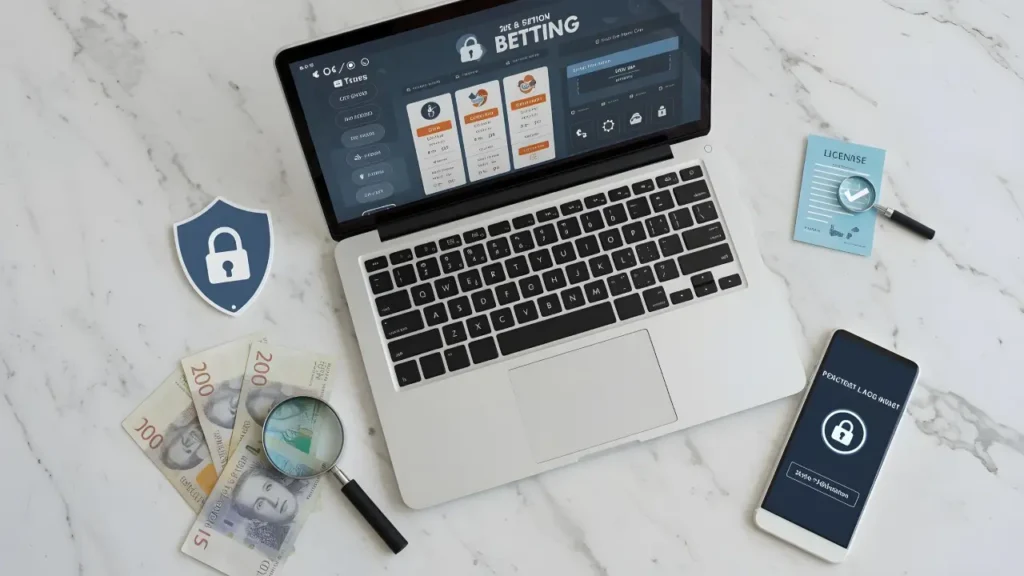
When you register at an international betting site, you share personal information including your name, address, date of birth, and payment details. Ensuring that data is handled securely is non-negotiable. Every reputable operator uses SSL encryption, identifiable by the padlock icon in your browser’s address bar, to protect data transmitted between your device and the site’s servers.
Beyond basic encryption, look for operators that reference compliance with data protection regulations such as the General Data Protection Regulation (GDPR). While GDPR is a European Union framework, many international operators voluntarily adhere to its standards because it signals a commitment to responsible data handling. An operator’s privacy policy should clearly explain what data is collected, how it is stored, who it is shared with, and how long it is retained.
Two-factor authentication (2FA) is becoming a standard security feature at well-run betting sites. This adds an extra layer of protection to your account by requiring a second verification step, usually a code sent to your phone, when logging in or making withdrawals. If an international operator offers 2FA, enable it immediately. If the platform does not offer it at all, consider that a notable gap in its security infrastructure.
Payment Methods: Flexibility and Transaction Speed
Swedish players are accustomed to the seamless deposit and withdrawal experience provided by BankID and Swish at domestically licensed sites. Moving to an international operator means adapting to a different payment landscape, but the best platforms compensate with a diverse selection of methods that cover most preferences.
E-wallets like Skrill, Neteller, and EcoPayz are the most popular payment options at international betting sites and for good reason. Deposits are instant, withdrawals typically process within 24 hours, and the e-wallet itself acts as a buffer between the betting site and your primary bank account. This separation provides an additional layer of financial privacy that many Swedish players appreciate.
Credit and debit cards from Visa and Mastercard remain widely accepted, though some banks may block transactions to international gambling operators. If your card is declined, an e-wallet usually solves the issue since you fund the wallet first and then use it to deposit. Prepaid options like Paysafecard allow completely anonymous deposits, which appeals to players who prioritize privacy above all else.
Cryptocurrency has emerged as a genuinely useful payment method at international betting sites. Bitcoin, Ethereum, and Litecoin deposits are processed almost instantly, carry minimal or zero transaction fees, and offer a level of anonymity that traditional payment methods cannot match. Crypto withdrawals are also typically faster than bank-based alternatives. For Swedish players comfortable with digital currencies, this option is worth serious consideration.
Responsible Gambling Tools at International Sites
One of the legitimate concerns about moving away from Swedish-licensed operators is the potential loss of responsible gambling protections. The Swedish system includes Spelpaus, a national self-exclusion register that blocks you from all domestically licensed sites simultaneously. International operators are not connected to Spelpaus, which means a player who has self-excluded in Sweden can still access these platforms.
However, reputable international operators offer their own responsible gambling toolkits. These typically include deposit limits that you can set on a daily, weekly, or monthly basis. Loss limits cap the amount you can lose within a specified timeframe. Session time reminders alert you when you have been active for a set period, helping you avoid marathon betting sessions. Cool-off periods allow you to temporarily suspend your account for days or weeks without closing it entirely. Self-exclusion options let you block your own access for extended periods, usually six months or longer.
The key difference is that these tools operate on a per-site basis rather than across the entire market. If you are someone who benefits from blanket exclusion, this is an important consideration. But for players who simply want sensible controls to manage their betting activity, the tools available at well-regulated international sites are comprehensive and effective when used consistently.
Mobile Experience and App Quality
A significant portion of sports betting activity now happens on mobile devices, and the quality of an operator’s mobile experience should weigh heavily in your evaluation. Some international betting companies offer dedicated apps for iOS and Android, while others rely on mobile-optimized browser versions of their sites. Both approaches can deliver excellent experiences when executed properly.
Test the mobile interface before committing real money. Navigate through the sportsbook, check how quickly odds update during live events, try placing a bet, and explore the account management section. A well-designed mobile platform loads quickly even on moderate internet connections, displays betting markets clearly without excessive scrolling, and handles transitions between pre-match and live sections smoothly. If the mobile experience feels clunky, slow, or confusing, it will frustrate you during time-sensitive live betting moments and is likely a sign that the operator has underinvested in its platform technology.
Push notifications are a useful feature found in dedicated apps, alerting you to upcoming events, promotional offers, and bet settlement updates. If mobile betting is your primary method of engagement, prioritize operators that have invested in a polished app experience rather than relying solely on a browser-based solution.
Putting It All Together: A Practical Evaluation Checklist
Before registering at any international betting company, run through this practical evaluation process. Start by verifying the operator’s license on the relevant regulator’s website, as legitimate licenses are always publicly searchable. Read at least 15 to 20 player reviews from multiple independent sources, focusing on withdrawal experiences and support quality. Check the payment methods page to confirm your preferred deposit and withdrawal options are available, and note the stated processing times. Test the site’s mobile version or app for speed and usability before depositing. Review the responsible gambling section to ensure the tools you need are present and accessible. Finally, make an initial small deposit to test the registration process, the betting interface, and most importantly, the withdrawal speed firsthand. A reliable operator handles a small test withdrawal just as efficiently as a large one, and if it does not, you have your answer before committing any significant funds to the platform.